Choosing the right cast iron material depends on five key factors: mechanical load requirements, machinability needs, cost constraints, operating environment, and production volume. Gray iron is ideal for vibration-damping and machinable parts under moderate loads. Ductile iron suits high-stress applications requiring ductility and impact resistance. Alloy iron is selected for extreme wear, heat, or corrosion conditions. For projects where weight reduction is critical, cast steel or aluminum may be better alternatives. This guide explains how to choose casting material through a structured cast iron material selection process — so you can determine which cast iron is best for your application before committing to production.
Understanding Your Application Requirements
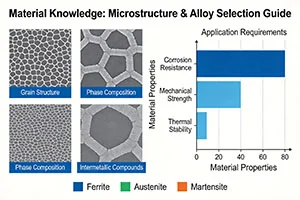
The right material decision starts with the part's service conditions, not with the alloy family itself. Engineers and procurement teams should first define the mechanical loads the component will see, including tensile, yield, compressive, bending, and fatigue loading. A part that is highly loaded in compression may be a good fit for gray iron, while a component exposed to dynamic tension or shock loading often requires ductile iron or cast steel. Refer to our design guides for tolerance and geometry considerations that interact with material choice.
Machinability is the second filter. If a part needs extensive finish machining, gray iron often wins because its flake graphite structure improves chip breaking and allows cutting speeds about 30-50 percent higher than steel. Ductile iron is still machinable, but tool wear is generally higher, so the total finished-part cost must include both casting and machining. For high-volume production, even small differences in machining cycle time can materially change the landed cost.
Cost should be evaluated as total cost per finished part, not just alloy cost per kilogram. Gray iron typically has the lowest material cost and often the lowest machining cost, which makes it attractive for stable, repetitive industrial components. Ductile iron carries a 20-40 percent premium over gray iron, but that premium is often justified when the part must survive fatigue, impact, or overload.
The operating environment can narrow the choice very quickly. Elevated temperatures, abrasive slurries, corrosive media, and thermal cycling all push you toward alloy iron or a non-iron alternative. For example, a pump volute in clean water may be a gray iron candidate, while a slurry pump in mining service may require Ni-Hard alloy iron for abrasion resistance. A hot exhaust component may need Ni-Resist or a stainless or aluminum alternative depending on temperature and corrosion severity.
Production volume also matters. Prototypes and small batches under 500 pieces often favor materials and processes that minimize tooling and development risk. Medium-volume runs from 500 to 5,000 units can justify more optimized grade selection and tighter process control. High-volume programs above 5,000 units usually reward a material that balances castability, machinability, and consistency, because even small savings multiply across the full run.
A practical approach is to eliminate materials that fail on one of the five decision factors, then compare the remaining options on total cost and risk. If the part needs damping and machining, gray iron is often the first stop. If it needs impact resistance and better fatigue performance, ductile iron becomes the leading candidate. If the service environment is punishing, alloy iron or an alternate material may be the only credible choice.
When to Choose Gray Iron
Gray iron is the default cast iron choice for many industrial parts because it combines low cost, excellent machinability, and outstanding vibration damping. It is commonly specified under ASTM A48 and EN 1561, and its flake graphite structure is the reason it behaves so well in machining and damping applications. That graphite network also makes it more brittle than ductile iron, so the material should be used where compressive loading and dimensional stability matter more than toughness. For a deeper comparison, see our gray iron vs ductile iron comparison.
Typical gray iron tensile strength is about 150-300 MPa, while compressive strength is roughly 600-900 MPa. That strength imbalance is important: gray iron can handle heavy compressive service very well, but it is not the right choice for impact or cyclic tensile loads. Its vibration damping is about 10x better than steel, which is why it remains the standard material for machine bases and housings.
Common applications include machine tool bases, pump housings, brake discs, engine blocks, and electrical motor housings. These parts benefit from gray iron's ability to absorb vibration, hold flatness, and machine cleanly. In many cases, gray iron also reduces noise and improves operating stability, which can matter as much as raw strength in a production environment.
The key limitation is its lack of ductility. Gray iron has essentially zero elongation, so it is not suitable for applications with shock loading, bending, or tensile overload. If there is any significant risk of impact, overload, or structural fatigue, ductile iron is usually the safer option even if the initial casting cost is higher.
For procurement teams, gray iron is often the lowest-risk option when the design is mature, the loading is understood, and machinability matters. It is especially attractive when the program is cost-sensitive and the component is not safety-critical. In those cases, gray iron can offer the best combination of performance and value.
When to Choose Ductile Iron
Ductile iron is the go-to material when a cast iron part needs both strength and ductility. It is covered by ASTM A536 and EN 1563, and it is often specified in GGG grades such as GGG40, GGG50, GGG60, and higher-strength variants. The key difference from gray iron is the graphite shape: nodular graphite reduces crack initiation and gives the material much better toughness and elongation.
Typical ductile iron tensile strength ranges from 400-800 MPa, depending on grade and heat treatment. Elongation can range from 2-18 percent, which is a major advantage over gray iron when the part must absorb shock or flex under load. For many engineers, that combination of strength and ductility makes ductile iron the preferred cast iron selection for dynamic machinery.
Best-fit applications include crankshafts, gears, valve bodies, heavy equipment frames, suspension components, and many pressure-containing parts. Automotive crankshafts are a classic example: a GGG50-grade ductile iron crankshaft offers the strength and fatigue resistance needed for repeated cyclic loading. In industrial equipment, ductile iron is frequently chosen when a part may see overload events that gray iron simply cannot tolerate.
Related reading: Material selection is critical in pump and valve applications — see our application-specific guide.
Grade selection depends on the service requirement. GGG40 is a common general-purpose grade, especially where cost and castability matter. GGG50 is widely used in automotive and medium-duty applications, while GGG60 and higher grades are selected for heavy machinery or more demanding structural service. As strength increases, ductility and castability may become harder to balance, so grade selection should always be tied to the actual loading case.
The limitation is cost and process complexity. Ductile iron typically costs 20-40 percent more than gray iron, and the melting and treatment process is more demanding. That said, when the part is safety-critical or failure is expensive, the extra cost is often far less than the cost of a warranty issue, field replacement, or downtime.
Related reading: Ductile iron is one of the key material options — learn about its unique properties.
When to Choose Alloy Iron
Alloy iron is used when standard gray or ductile iron cannot survive the environment. By adding nickel, chromium, molybdenum, copper, or other elements to the iron base, foundries can tailor the material for abrasion resistance, corrosion resistance, or high-temperature performance. In many cases, alloy iron is not about lower cost or easier machining; it is about extending service life in harsh conditions. Review alloy iron properties and grade options before specifying a specialty alloy.
Common families include Ni-Resist for corrosion and heat resistance, Ni-Hard for abrasion resistance, and high-chromium irons for severe wear. Ni-Resist is often specified for exhaust manifolds, furnace parts, and corrosive process equipment because it can handle elevated temperatures and oxidation better than standard cast iron. Ni-Hard is the better choice for mining slurry pumps, wear plates, and other components exposed to sliding abrasion and impact from solids.
The cost premium is significant. Alloy iron can cost 2-3x more than gray iron, but in harsh environments it can extend service life by 5-10x. That makes it a high-value choice when downtime, replacement access, or maintenance labor are expensive. In mining, processing, and thermal service, the total cost of ownership often favors alloy iron even when the purchase price is much higher.
The main tradeoff is machinability and process control. These alloys are harder to machine than standard gray iron and may require different tooling, slower speeds, and more robust process planning. If the application does not truly require the performance upgrade, alloy iron can be over-specified and unnecessarily expensive.
When Other Materials Make Sense
Cast iron is not always the right answer. Cast steel is a stronger option when the part must handle high impact, structural loading, or welding after casting. It is often selected for construction equipment, railroad components, and heavily loaded frames where toughness and weldability are critical.
Aluminum castings are the preferred alternative when weight reduction drives the design. They are widely used in aerospace, automotive lightweighting, and portable equipment where a lower density can improve efficiency or payload. Aluminum is also a strong candidate when corrosion resistance and good thermal conductivity matter more than the damping characteristics of cast iron.
Stainless steel is the better choice for food-grade, sanitary, or highly corrosive applications where cleanliness and corrosion resistance are mandatory. Copper alloys are used when electrical conductivity, thermal conductivity, or marine corrosion resistance is a priority. The right material is therefore not always the strongest or the cheapest; it is the one that best fits the operating and commercial requirements.
Material Selection Decision Matrix
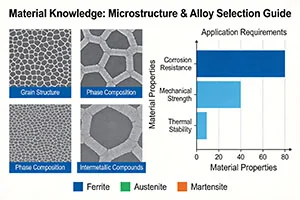
Use this gray iron vs ductile iron selection guide as a first-pass screen for iron alloy selection, then refine the choice using geometry, tolerance, machining scope, and production volume.
| Material | Standard/Grade Examples | Tensile Strength | Elongation | Hardness | Machinability | Vibration Damping | Corrosion Resistance | Typical Cost per kg | Max Operating Temperature | Best Fit Applications |
|---|---|---|---|---|---|---|---|---|---|---|
| Gray iron | ASTM A48 Class 30-40, EN 1561 | 150-300 MPa | ~0% | Moderate | Excellent | Excellent | Fair | Lowest | Moderate | Machine tool bases, housings, engine blocks, pump bodies |
| Ductile iron | ASTM A536, EN 1563, GGG40/50/60 | 400-800 MPa | 2-18% | Moderate to high | Good | Good | Fair to good | 20-40% above gray iron | Moderate | Crankshafts, gears, valve bodies, frames, suspension parts |
| Alloy iron | Ni-Hard, Ni-Resist | Varies widely | Low to moderate | High | Fair to difficult | Good | Good to excellent depending on alloy | 2-3x gray iron | High | Slurry pumps, wear parts, exhaust manifolds, furnace components |
| Cast steel | Carbon steel, low-alloy cast steel | High | Higher than cast irons | Moderate to high | Fair | Fair | Fair | Higher than gray iron | High | Railroad, construction, heavy impact service |
| Aluminum | Cast aluminum alloys | Moderate | Moderate | Low to moderate | Excellent | Low | Good | Varies | Moderate | Lightweight automotive, aerospace, enclosures |
Gray iron is often the best choice when damping and cost dominate. Ductile iron becomes the better option when the part needs fatigue strength or impact resistance. Alloy iron should be reserved for truly severe wear, heat, or corrosion conditions.
A useful selection rule is to ask what failure mode is most likely. If the part is likely to fail by cracking under shock, choose ductile iron or cast steel. If it is likely to fail by wear, choose alloy iron. If it is likely to fail by vibration, noise, or poor machinability economics, gray iron often remains the most efficient solution.
How Matson Iron Casting Supports Your Material Selection
Material selection should be validated before full production, especially for critical castings. Matson Iron Casting supports customers with application review, material consulting, and sample production so engineers can confirm performance before committing to volume. That approach reduces the risk of over-specifying the alloy or discovering a mismatch late in the project. Whether you need standard grades or custom cast iron parts, our team can help match the alloy to your application.
The company also maintains an in-house metallurgical lab and mechanical testing capability to verify chemistry, microstructure, hardness, and mechanical properties. That matters when you need confidence that a gray iron, ductile iron, or alloy iron specification will perform as designed. Full traceability from melt to shipment further supports quality programs, PPAP-style documentation, and long-term supply assurance.
Frequently Asked Questions
How do I decide between gray iron and ductile iron for my project?
Start with the loading mode. If the part sees mainly compression, needs strong vibration damping, and must be easy to machine, gray iron is usually the better choice. If the part sees shock, bending, fatigue, or tensile overload, ductile iron is the safer option.
What is the cost difference between gray iron and ductile iron castings?
Ductile iron typically carries a 20-40 percent cost premium over gray iron, though the exact difference depends on alloy content, casting complexity, and machining requirements. Gray iron is usually the lower-cost option overall, especially for high-volume, repeatable parts.
Can alloy iron be machined as easily as standard gray iron?
No. Alloy irons are generally harder to machine than standard gray iron, and some grades require slower cutting speeds, more robust tooling, and tighter process control. That additional machining cost is part of the total value equation and should be considered alongside the material's performance benefits.
What production volume is needed to justify ductile iron over gray iron?
There is no fixed volume threshold, because the decision depends more on service severity than quantity. Even at low volumes, ductile iron is justified when the component is safety-critical or exposed to fatigue and impact. At higher volumes, the cost difference becomes easier to absorb if the design requires the added strength.
Which cast iron grade is best for high-temperature applications?
For high-temperature service, alloy iron grades such as Ni-Resist are often the best fit because they offer better thermal stability and corrosion resistance than standard gray or ductile iron. If the part also faces severe wear, a different alloy iron such as Ni-Hard may be more appropriate, depending on the exact service conditions.
Need help selecting the right cast iron material for your project? Request a Free Material Consultation